
Thinner
A thinner is a blend of several solvents mixed together. Literally, it means “diluent.” The appropriate thinner is selected based on the type of paint. It is a specific solvent formulation capable of reducing viscous paint to a ready-to-use consistency, and it varies for different paints according to the resin system used.
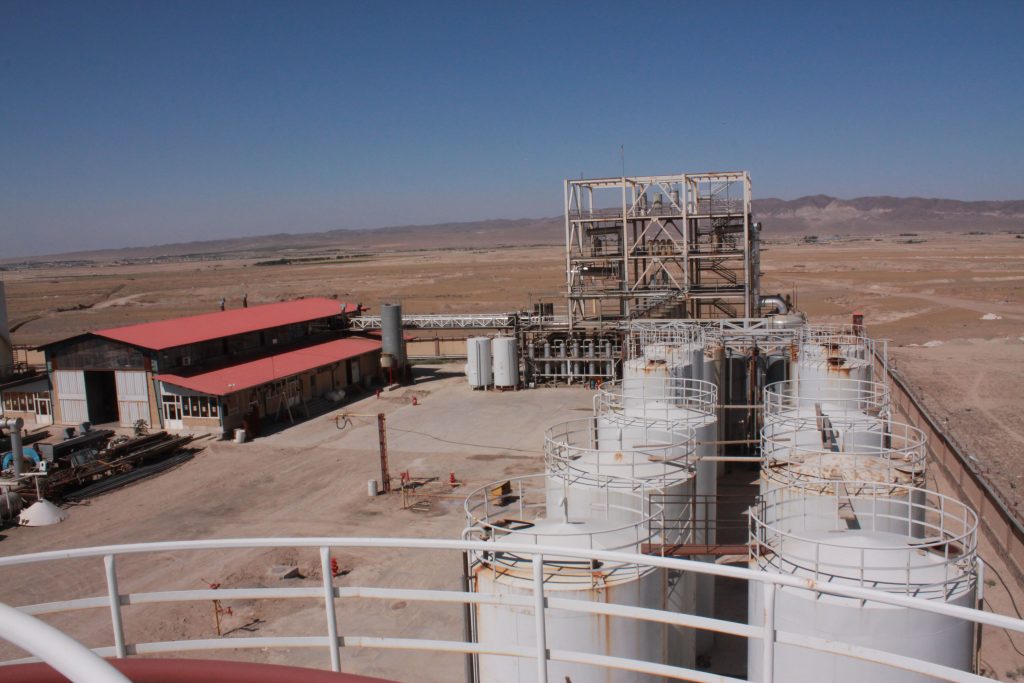
Thinner Selection by Paint Type (Resin System):
-
Water-Based Paints (Plastic & Acrylic): The thinner is water.
-
Oil-Based Paints (Alkyd Resins): Requires an Oil-Based Thinner (often called Synthetic Thinner).
-
Nitrocellulose-Based Paints (commonly known in Iran as “Instant-Dry” Paints): Require Nitrocellulose Thinners.
-
Other specialized types include: Epoxy Thinner for epoxy paints, Baking Thinner for stoving paints, and Polyurethane (P.U.) Thinner for polyurethane paints.
Selecting the correct thinner for a paint category is the first critical step. Subsequent steps involve meeting user expectations, which include:
-
Drying Time: The speed at which the user requires the paint to dry, which primarily depends on the thinner’s evaporation rate.
-
Surface Smoothness: A suitable thinner results in a smooth, uniform surface after application.
-
Adhesion: The thinner’s ability to properly dissolve the paint itself and interact with the underlying coat directly influences final adhesion.
-
Gloss Finish: The thinner’s solvency power affects how well the resin is dissolved, which impacts the final gloss level of the dried paint film.
As explained, so-called “Instant-Dry” thinners (a common term in Iran) are technically Cellulosic Thinners, used for nitrocellulose-based paints. These thinners play a vital role in determining application quality.
All instant-dry thinners are suitable for nitrocellulose paints and lacquers, but the specific choice varies based on customer preference and the intended application. These thinners are composed of:
-
Active Solvents: Solvents that can dissolve nitrocellulose on their own (e.g., esters, ketones).
-
Latent Solvents (Co-solvents): Solvents that do not dissolve nitrocellulose alone but enhance the solvency power of the active solvents.
-
Diluents: Added to the formulation as needed, primarily to adjust cost and volatility.
The difference between various instant-dry thinners lies in their formulation and price. A thinner with a higher proportion of active solvents is a stronger solvent, possesses better performance properties, is typically classified as a premium-grade product (with a higher code/grade), and commands a higher price. Less expensive thinners provide the basic functions of a cellulosic thinner, but their performance should be judged accordingly.